Sadogashima, Part 2: Mining on Sado
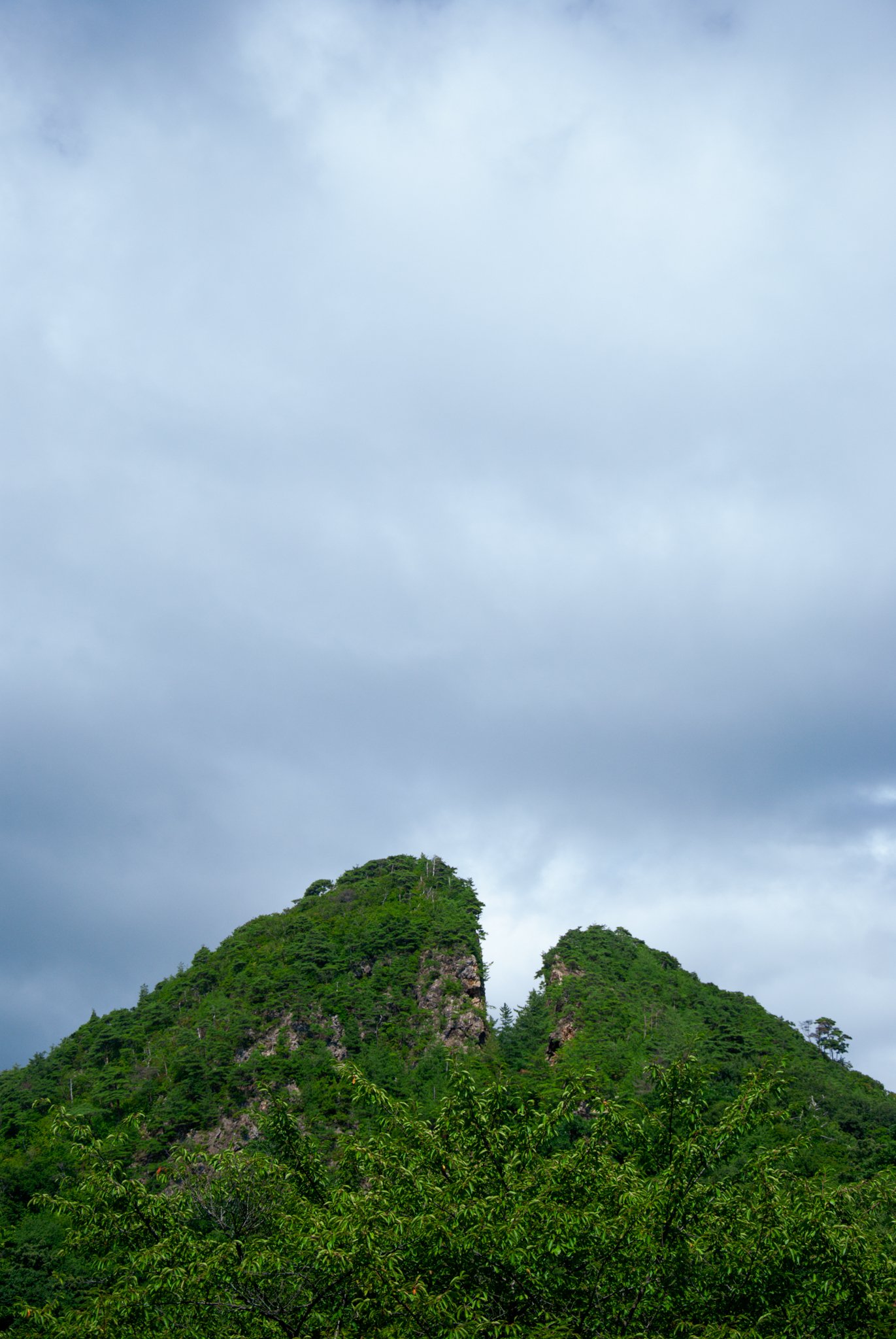
If the most famous symbol of Sado is the Toki bird, then gold is easily at number two. Chocolates made with Sado milk are packaged to look like gold bars, gold panning is a popular tourist activity, and one of the more recognisable geographical features on Sado is Doyu no Warito, a mountain split in two by a 70-meter-deep gash created by mining in the Edo Period. Most mining heritage on Sado is concentrated today around Aikawa, home to the old gold and silver mine that’s now a UNESCO world heritage site, but all of Sado has developed something of a mining identity. While other aspects of the island’s history, and its physical distance from the mainland, have produced an ‘exile island’ image, on the other hand Sadoites can and do view their island as very important to the nation’s overall development. Indeed, the Aikawa mines were historically Japan’s second most productive behind Kagoshima.
Besides Aikawa there have been at least ten other mines on Sado producing gold, silver and copper, but since popular memories of the island’s mining history focus heavily on Aikawa, so does available historical information. Most of this article draws from Shimazu and Kamikura’s Rittou Sado Dai Ni Han (Faraway Island Sado, Second Edition), an incredibly thorough account of Sado’s history, and they speak on the difficulty of finding records for any mines other than Aikawa and two or three others.
In fact, far from being practiced in Aikawa alone, a form of gold ‘mining’ was practiced all over Sado and is partly responsible for the beautiful, staggered rice fields that span the two mountain ranges. I got to see a video demonstration of early gold collection on Sado at a gold mining museum on the island’s west coast, which my host mother was excited to show me. Once a site was picked, a canal would be dug to connect a manmade elevated reservoir with another one much lower down. As water flowed down the mountain it would loosen up gold particles in the soil, allowing for panning in the canal. Entire villages would develop around these artificial waterways, dedicated to the arduous process of turning gold dust into a sellable product via repeated sifting, washing, and smelting. Government officials often housed the infrastructure for this in their offices, meaning that gold might be rendered from the soil, melted down, and minted as currency all in the same room. When all the gold had been flushed from the soil, the waterway could be used to irrigate rice paddies instead and the village economy would shift to agriculture. Many of these agricultural communities still exist today.
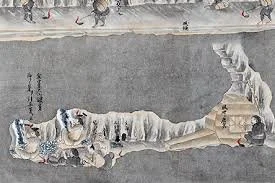
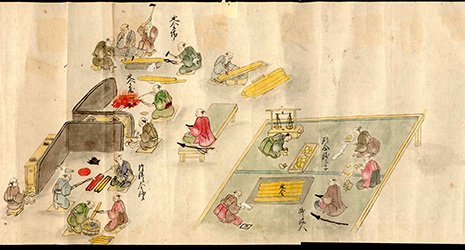
Edo-period depictions of mining on Sado; the mines apparently at one point employed a dedicated artist
Aikawa itself is in north Sado, just inland of the western coastline. Most veins of gold and silver in Aikawa had been discovered by the end of the Edo Period (1869) – Meiji modernisation increased productivity but yielded little in the way of new discoveries. This is what makes Aikawa uniquely impressive; without modern equipment, medieval Japanese were nonetheless able to both find most of the ore and exert such force to extract it that they literally split a mountain in two. When ore was discovered in Aikawa in 1601 it was far from Sado’s first goldmine, but it quickly came under the direct control of the Shogunate, the central government in Edo. A recreation of the office used by Shogunal magistrates is open in Aikawa today for visitors to look inside. Aikawa was particularly productive and accounted for a large portion of the impressive cumulative totals of gold and silver produced by Sado mines during the Edo Period – 1781 tonnes of silver, and over 40 tonnes of gold.
Conditions in the mines were difficult early on. Inadequate drainage caused several to be shut completely, and floods forced Aikawa Mine to cease operation on several occasions. An over 900-meter-long drainage canal was built in the 1690s, but with considerable difficulty without the kinds of surveying equipment used in mines internationally. Water continued to be a problem as it flowed into the mines from natural springs, and from 1777 the Shogunate even began to send homeless people from Edo to work on pumping water from the mines, but only from the introduction of Dutch-designed pumps in the 1780s was the problem solved. All in all, 1,800 indentured servants, many homeless people from Edo, are though to have died trying to drain the mines. Today, visitors to the mines can see holes in the shaft walls that they dug to rest and shelter in.
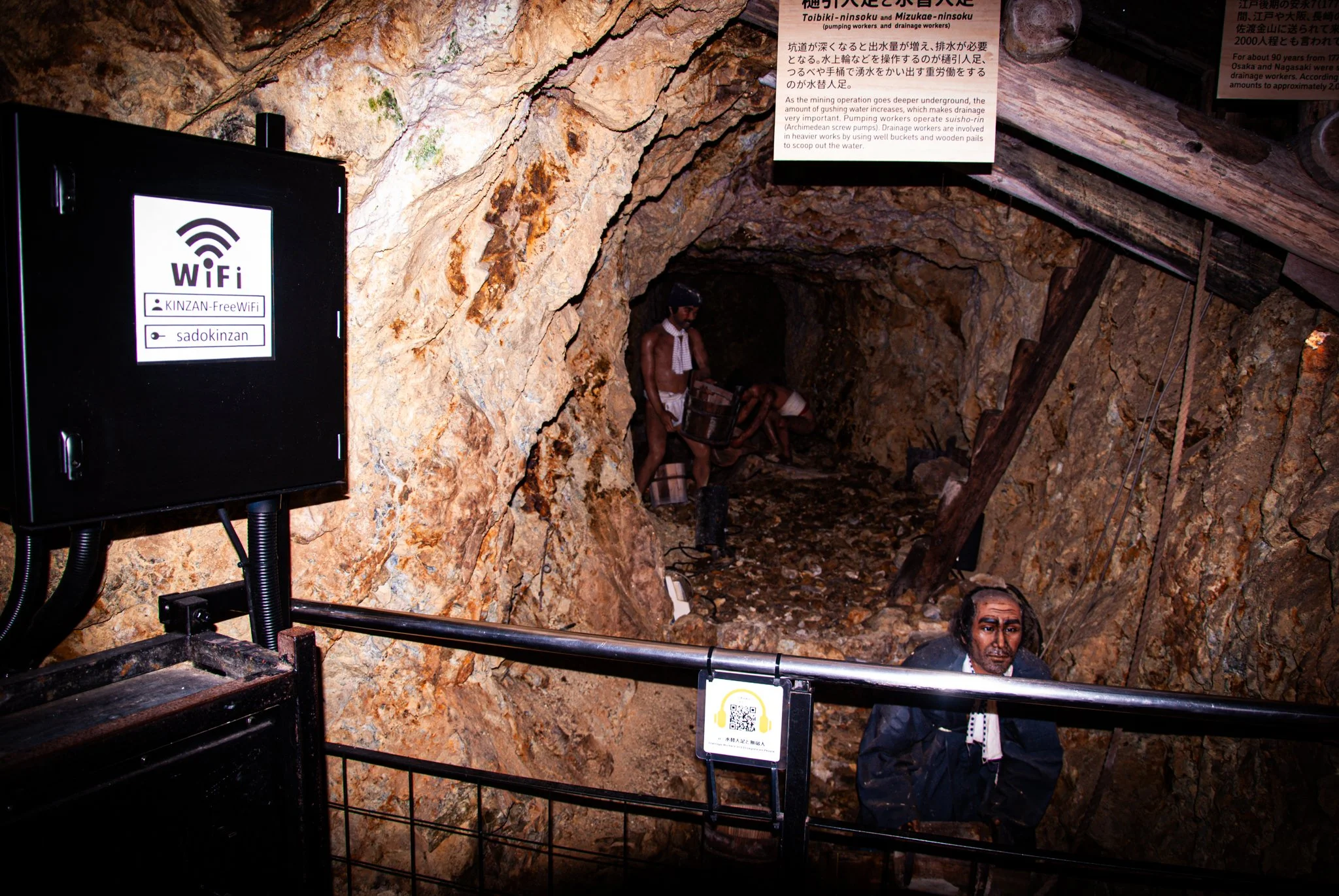
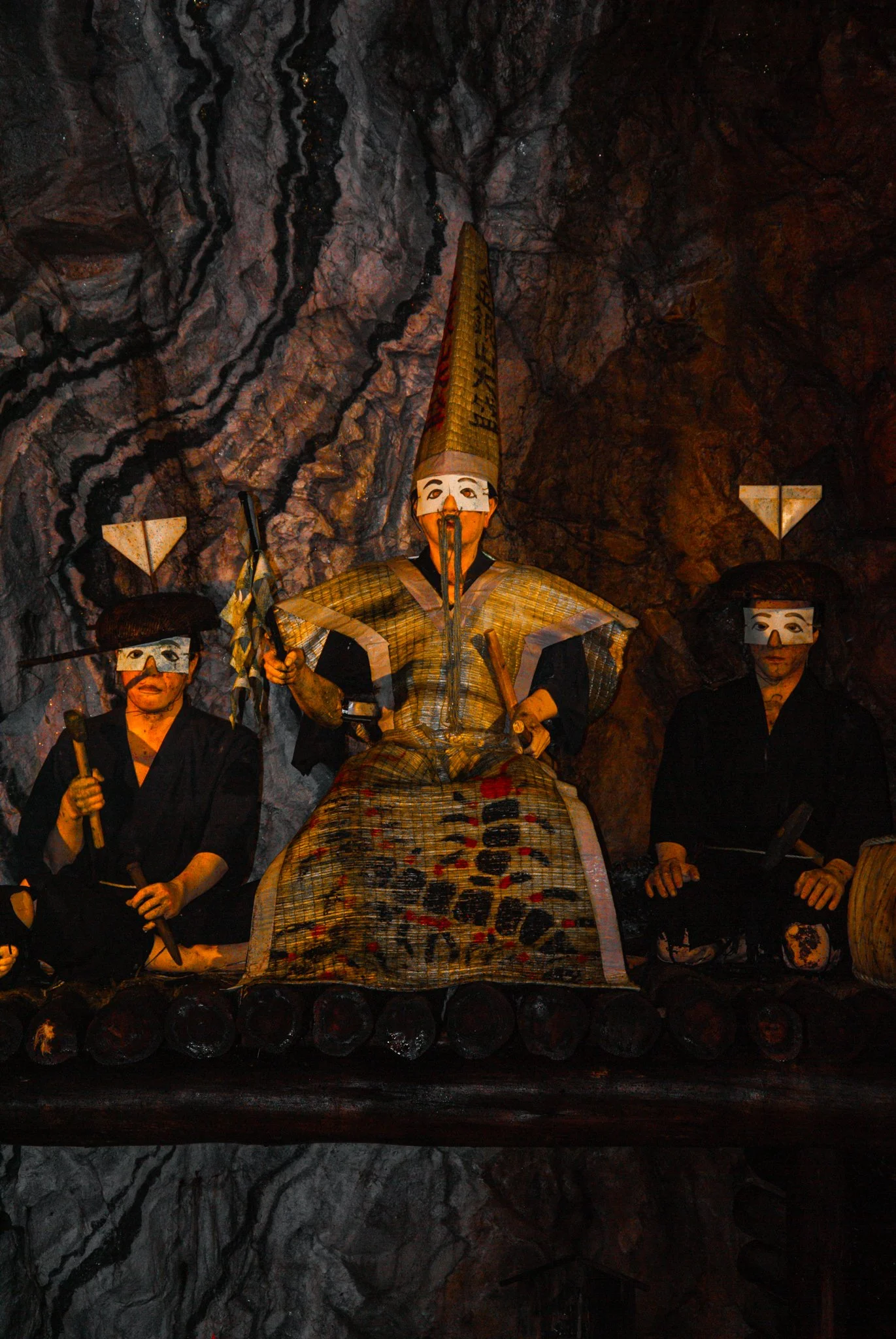
Mannequins show what life was like in the Edo Period mines, including festivals put on by the miners
The mine experiences a marked period of prosperity into the early 19th century but soon began to stagnate due to lack of oxygen – as the miners dug further, ventilation became more and more of an issue. Attempts to modernise the mines in the last years of the Edo Period, including by using funds donated by local villages and landowners, were not enough, and only in the Meiji Period would the mines reach their full potential. Don’t let all this talk of stagnation suggest that they weren’t productive, though – even at its least productive, Sado was responsible for a great portion of Japan’s gold and silver.
In early Meiji, British engineer Erasmus Gower and seven other foreign engineers were hired to modernise Aikawa Mine. As he had in other Japanese mines, Gower instructed on the use of mine carts for efficient transportation, modern drainage systems, and perhaps most importantly, the use of black powder in mining. His team built a refinery, though it proved ineffective, the mine reverted to its old smelter, and Gower resigned in 1873. A German engineer later improved the smelter, and in the 1880s mechanised drills, better ventilation, and a cableway were all introduced. These improvements turned Aikawa into a thoroughly modern mine but also resulted in the loss of over 2000 jobs.
In 1896 the government made the controversial decision to sell the mine at Aikawa, now called Sado Mine, to the private sector, having previously excluded it and one other especially productive mine from nationwide mining privatisation. Locals opposed the decision and petitioned the local government, but the move went ahead. The people of Aikawa received 70,000 yen in compensation which they put towards a so-called ‘mine festival.’ The mine was bought by Mitsubishi.
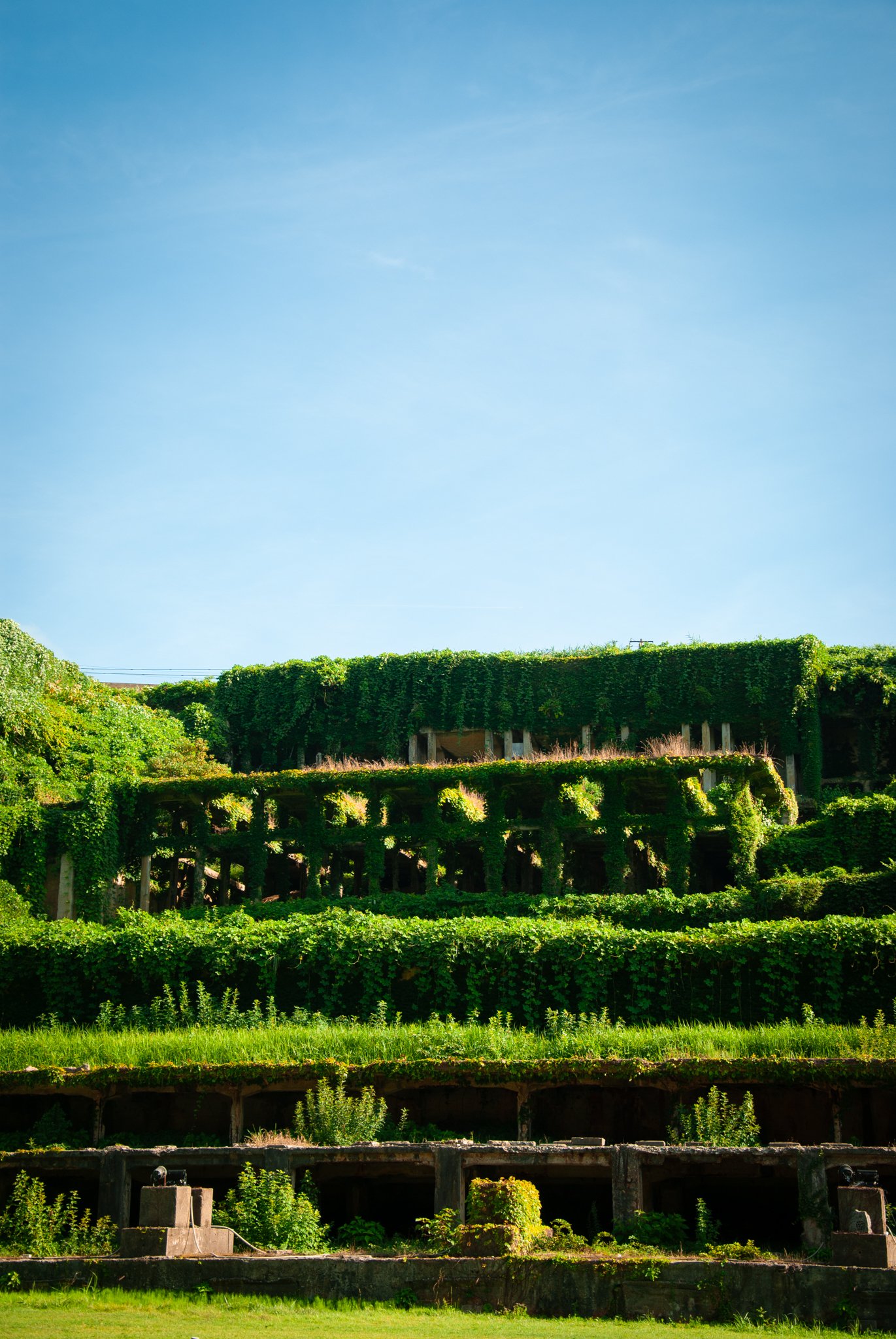
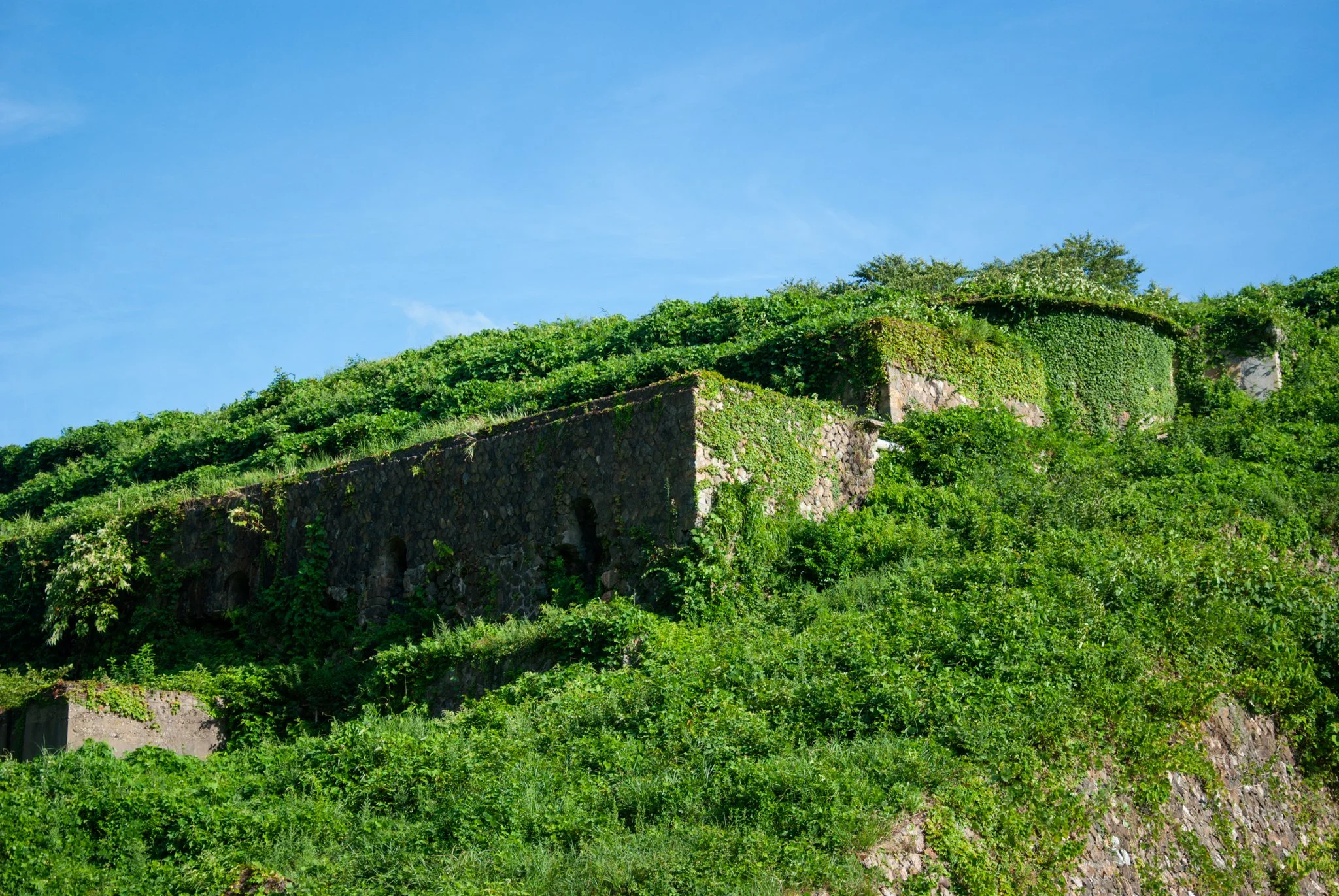
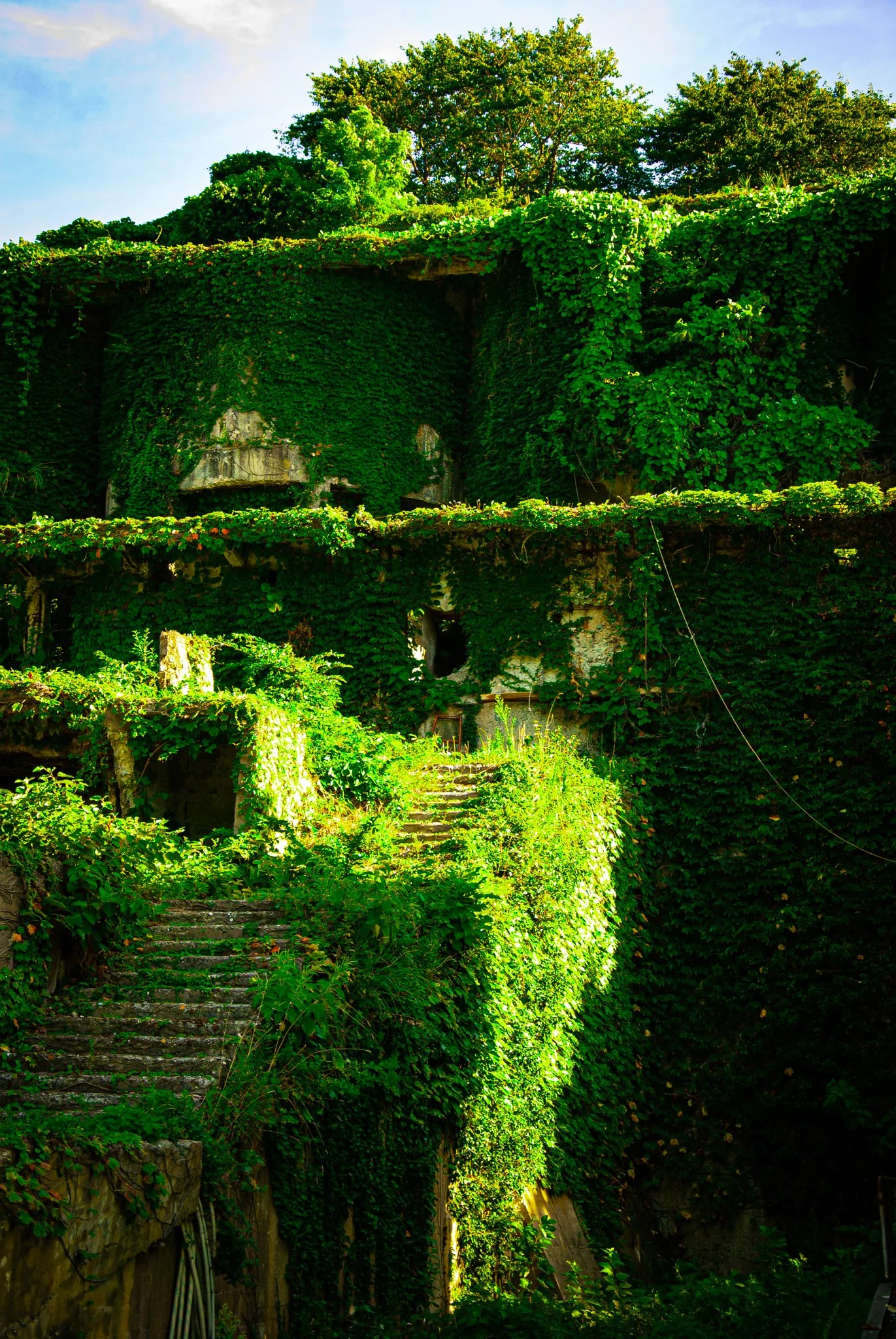
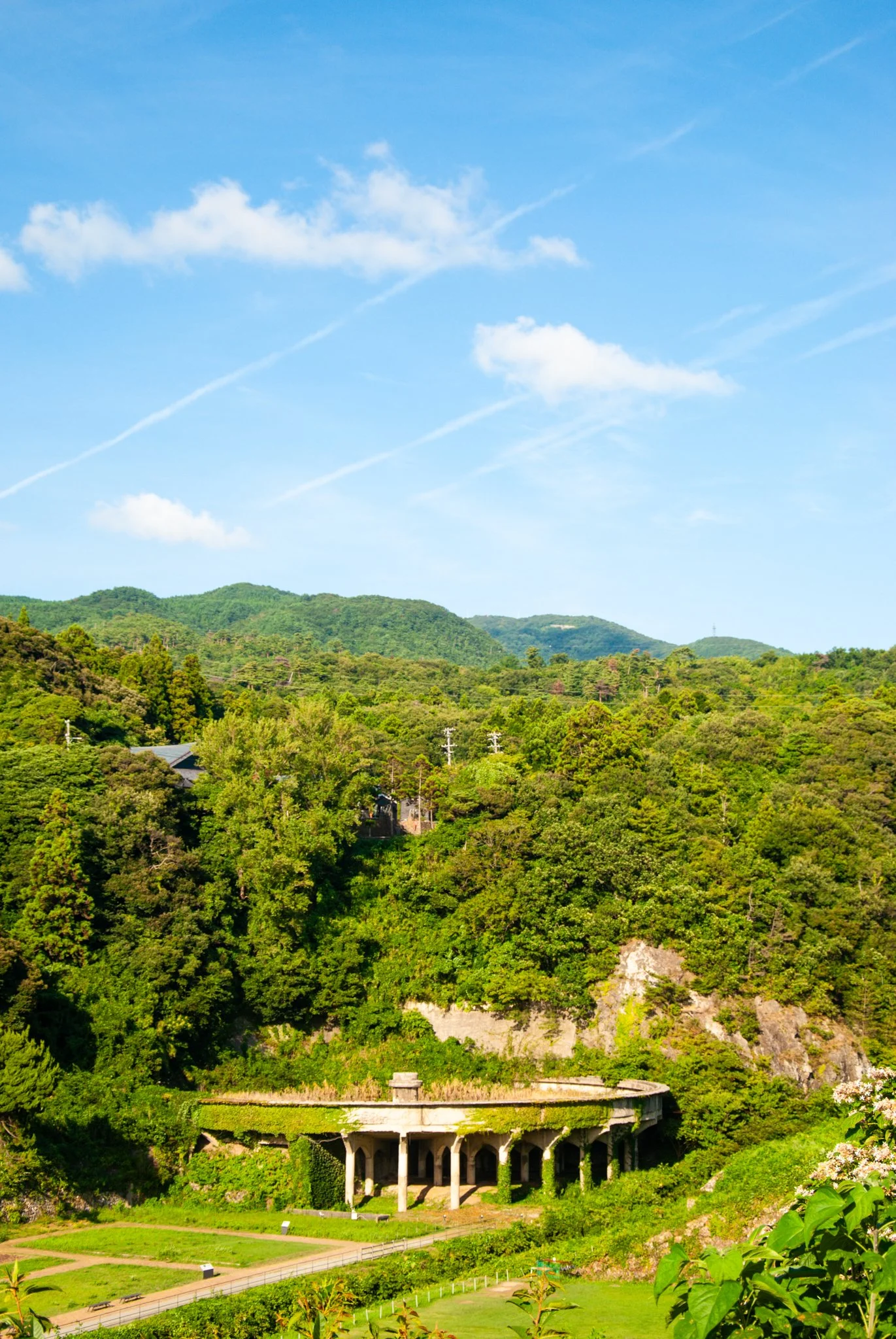
Exterior views of the mine
By the time of the Second World War silver output had decreased significantly on Sado and the mine was now primarily used for gold. Since gold was less necessary for the war effort the mine ceased gold mining operations in 1943, and so many Sadoites associate the war with a cessation of mining activities. This may have contributed to the near-total erasure of the 1,500 or so Korean forced labourers who worked in the mines to extract copper. Many were used for more dangerous jobs and died as a result, with more developing medical problems in later life due to the harsh work conditions. Hundreds even continued to work at the mine after the defeat. You wouldn’t know this from almost any of the museums on Sado – the mine’s museum itself does not mention the Koreans, or at least I don’t think it does from what I saw, and I also didn’t spot any note on the Korean labourers at the Sado Museum of History, which when I visited had dedicated an entire exhibition room to the island’s wartime experience to mark the 80-year anniversary of surrender. Aikawa’s Folk Museum does feature an exhibit on the Koreans – a single plaque in what a Korean newspaper described as a ‘worn-out’ room, that doesn’t mention forced labour or anything similar. In 2022 Shinzo Abe himself even went so far as to deny the presence of Korean forced labourers in Sado outright. Abe and other right-wing Japanese figures often argue that forced labourers and comfort women applied for the work voluntarily and were paid, and therefore could not be considered forced labour – this is half true but does not recognise the lies and deceptions fed to Koreans about what their working lives in Japan would be like, the extreme danger and violence they were exposed to, and of course the fact that once they had signed a contract they could scarcely back out. Koreans on Sado went on strike multiple times over harsh conditions to little avail.
This all sparked a significant controversy in 2024 when an event was held to honour the miners of Sado, attended by both the Mayor of Sado City and Niigata’s Governor. South Korea had pushed for the ceremony to acknowledge that the Korean miners worked against their will and, when this was refused, the Korean attendees boycotted, leaving 40 of about 100 seats empty. South Korea’s Ambassador to Japan held a separate memorial for the Korean miners; Japan’s Ambassador in Seoul only expressed regret that they’d pulled out of the original meeting. This isn’t a problem unique to Sado – Gunkanjima off Nagasaki and various mines in Hokkaido are just some other examples where captive Korean and Chinese miners have yet to be properly memorialised. In fact, Korean newspapers occasionally refer to Sado as ‘The Second Battleship Island’ (Gunkanjima) since both mines were owned by Mitsubishi and employed forced labour.
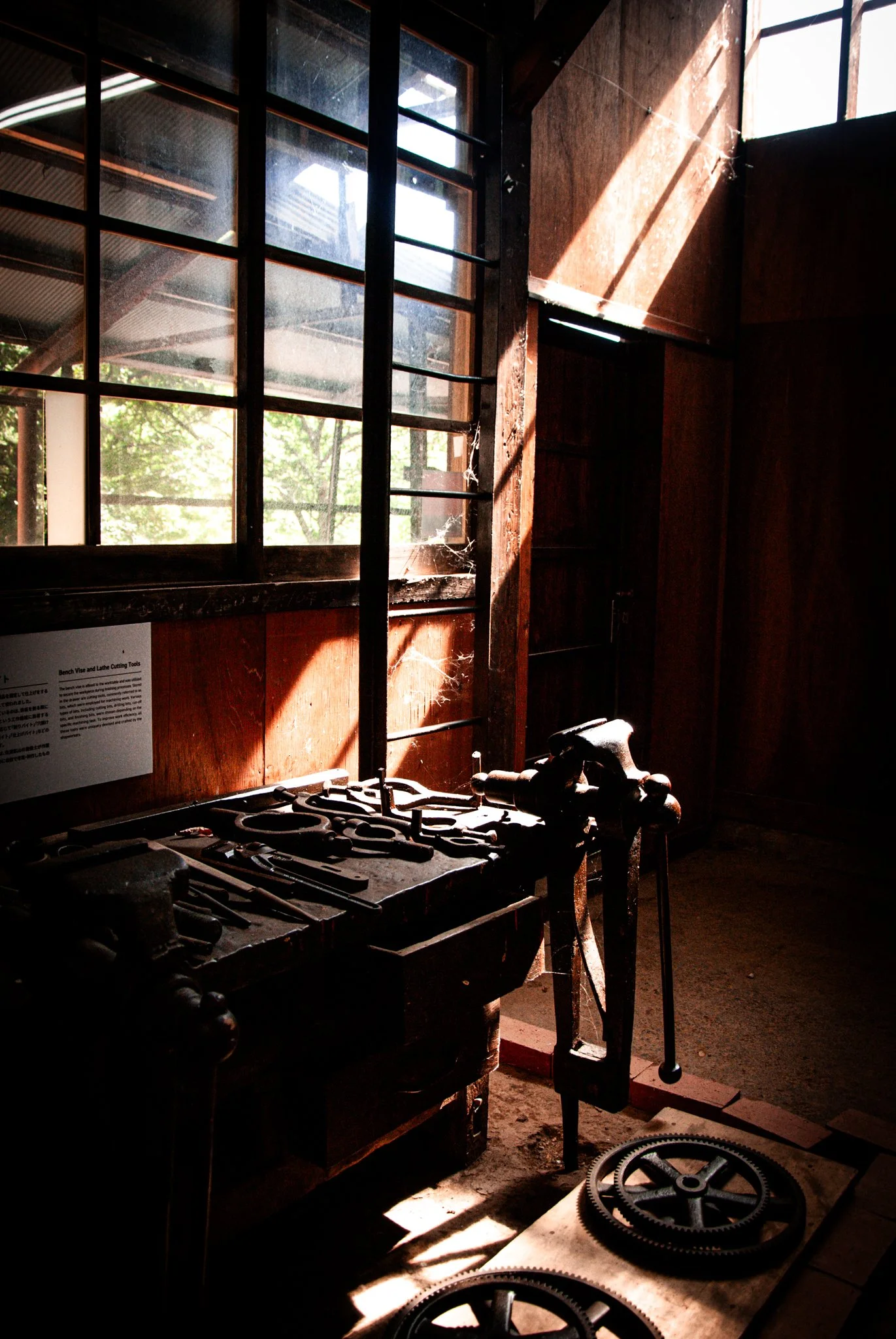
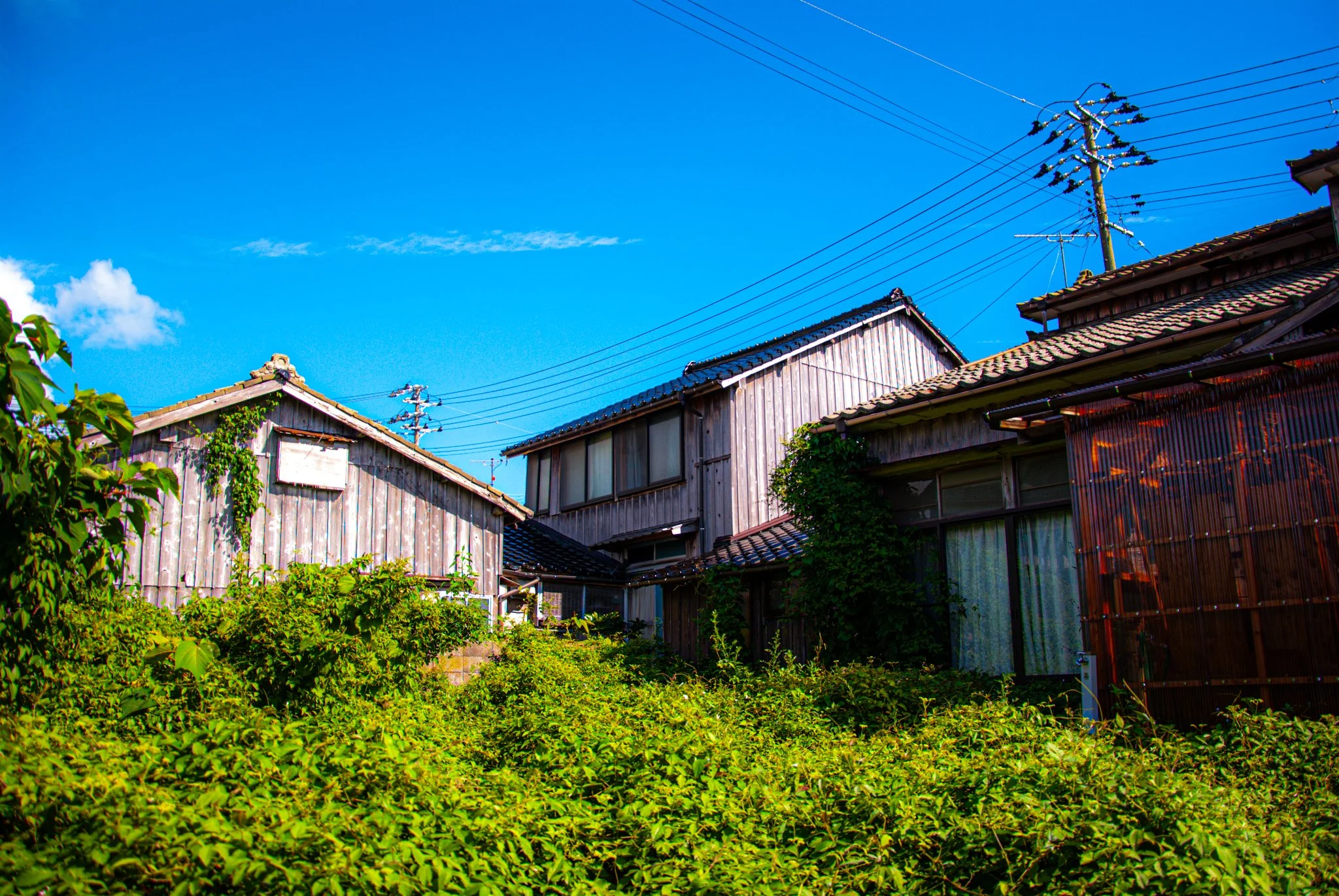
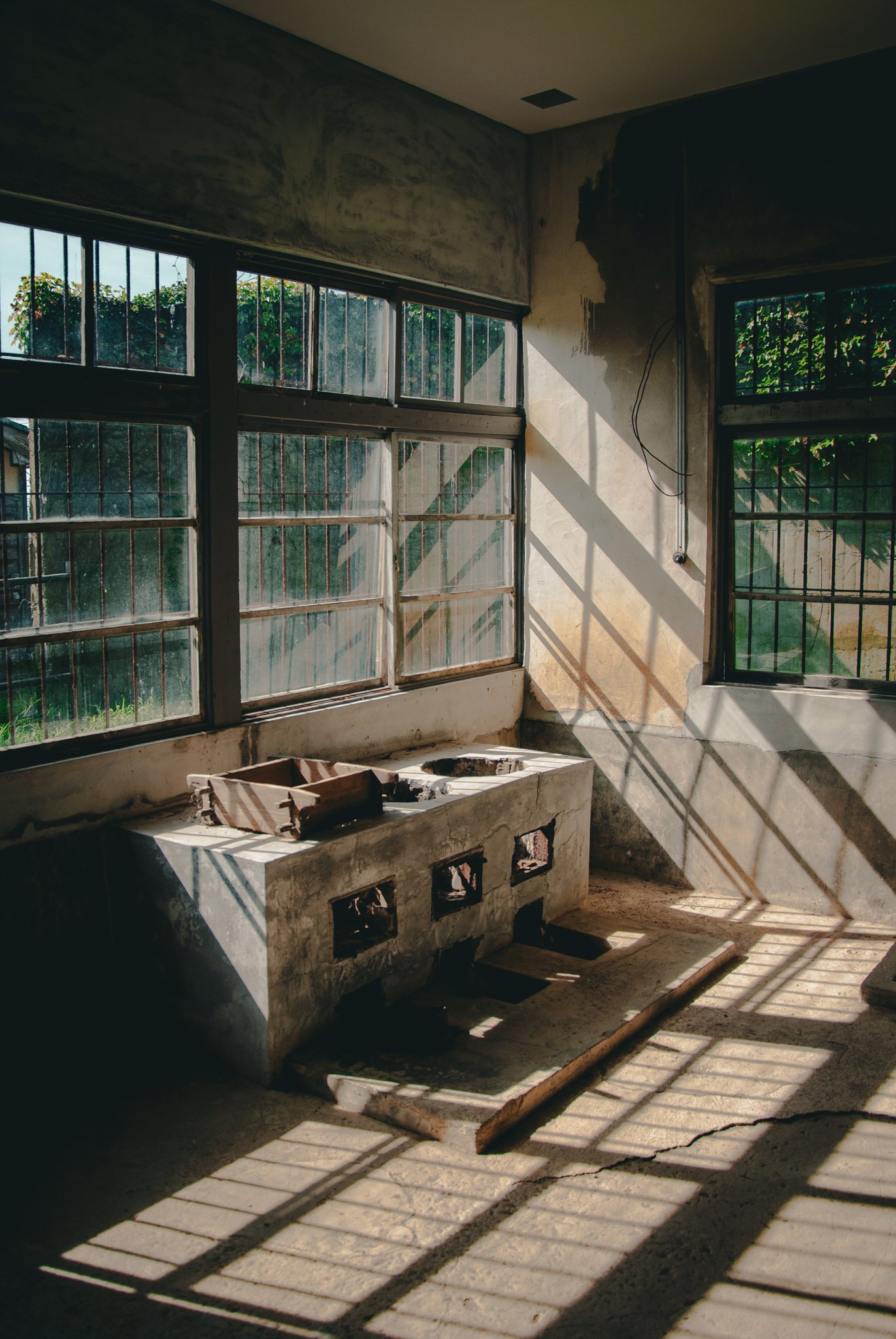
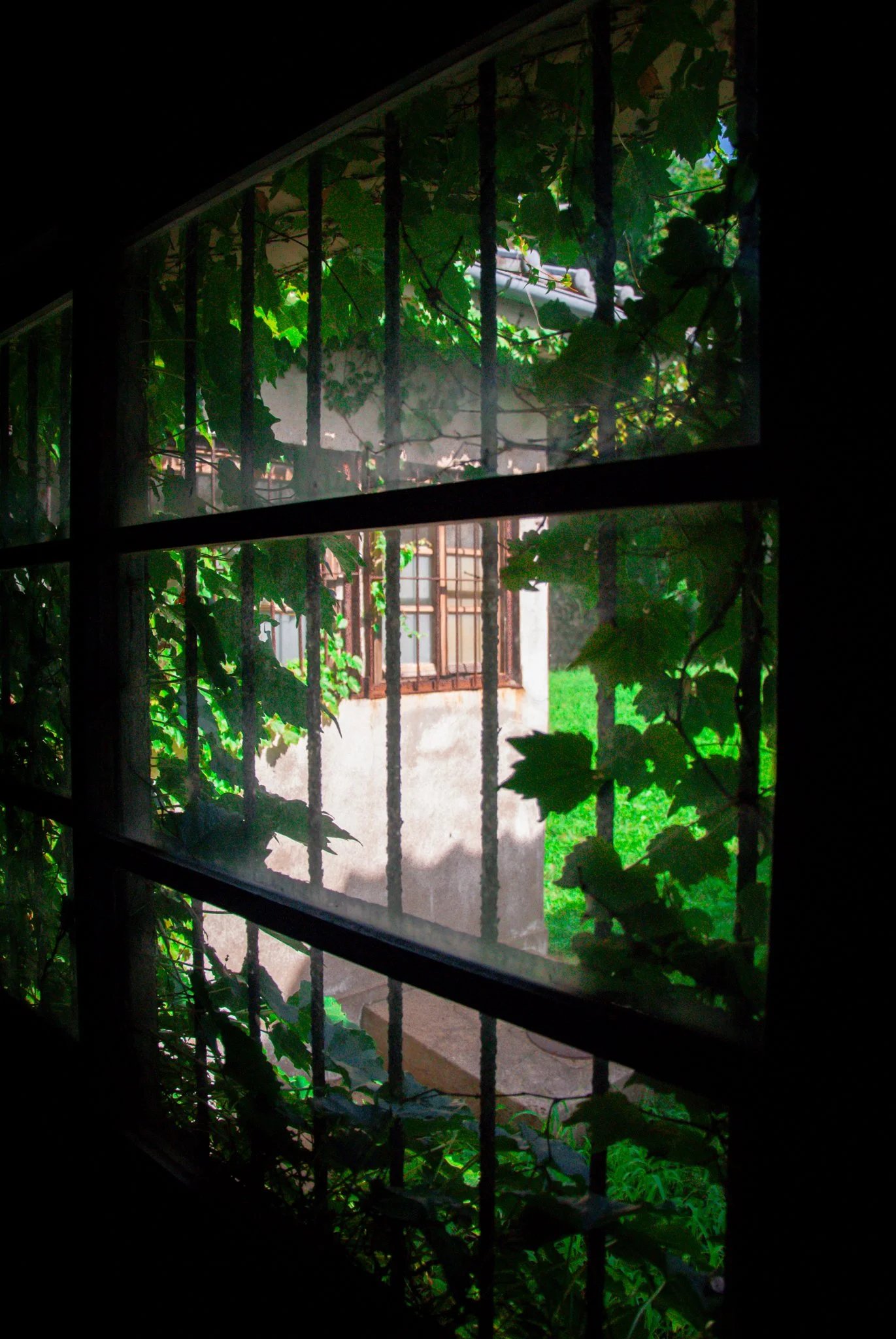
Buildings around Aikawa. On the left is a workshop attached to the mine. The rightmost two photos are Aikawa Jail
Sado Mine continued to operate until 1989. Today the site is divided into two sections of mineshaft accessible to the public, one a premodern shaft, the other a postwar one. The premodern section is haphazard, messy, damp, and cramped; the modern one is spacious and lined with concrete. In the postwar period the mine even had the capacity to transport ore via rail straight from the mineshafts to the coastline for transport by ship.
Aikawa town itself is a beautiful slice of preserved history. Its buildings evoke famous ‘Showa chic’, the nostalgic aesthetic of the postwar Hirohito years, and the town houses pretty guesthouses, cafes, and a DIY cinema. Just outside of it sits the derelict old Aikawa jail, which you can enter freely. And just up the road sits the modern, concrete exterior of the mines, now entirely overgrown. They’ve been taken back by the island in a sense but will never be forgotten. Designation as a UNESCO World Heritage Site ensures that, although that status was granted in the understanding that the Japanese government would formally recognise that forced labour was used on Sado. Such an admission is still yet to come.